
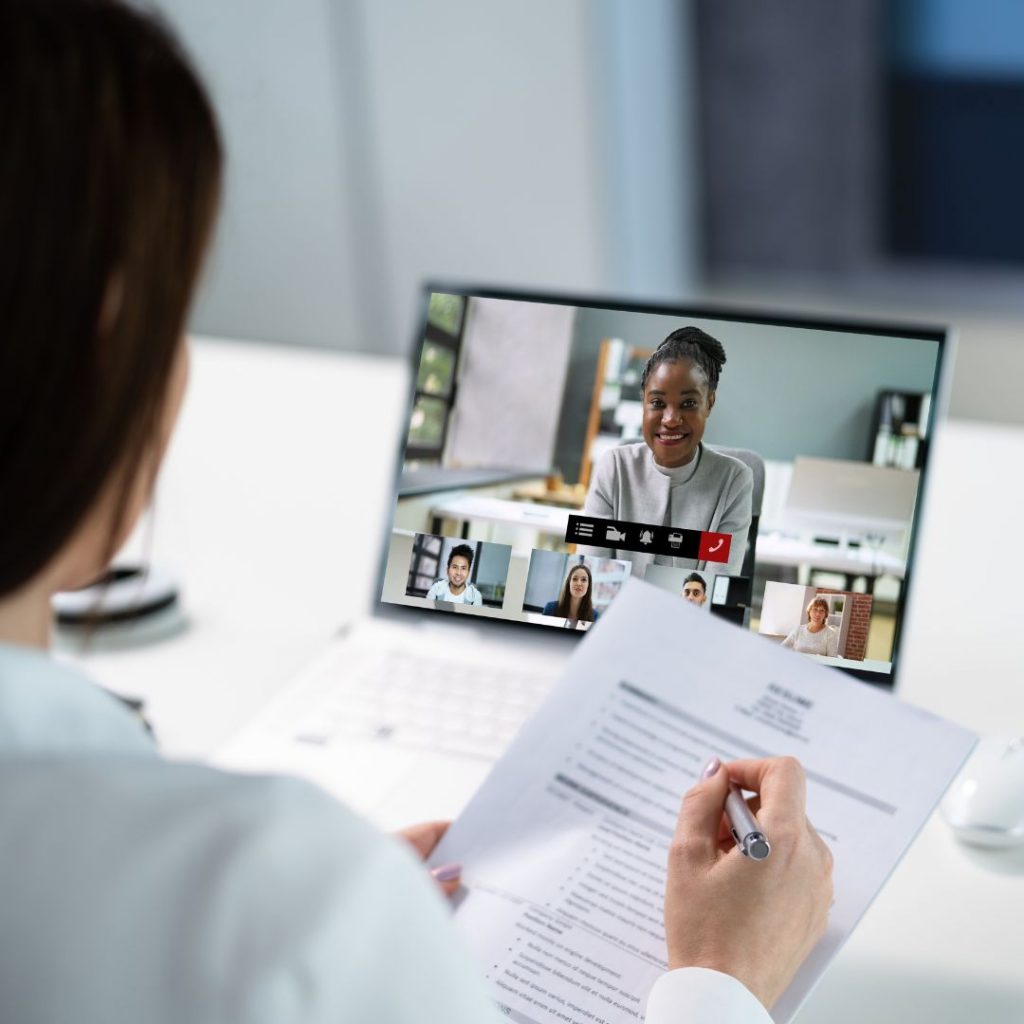
Remote and hybrid jobs can offer flexibility, but not every role is as clear as it first appears. Many job seekers apply for positions labelled “remote” or “hybrid”, only to discover unexpected office requirements later on.
This guide is designed to help people prepare for applications and interviews with confidence. It focuses on understanding employer language, asking sensible questions, and checking that a role genuinely fits their working needs. The aim is clarity, not pressure.
Before you apply: checking the employer
Before applying, it is worth taking a few minutes to review the employer and the job description carefully. Look for clear wording around remote or hybrid working, including how often office attendance is required. Check whether a location is specified and whether the role is permanent, fixed-term, or temporary.
Outside the job listing, reviewing the company’s careers page and employee feedback can be useful. Patterns matter more than individual comments. If expectations are unclear before applying, they often remain unclear later.
Understanding “remote” and “hybrid” claims
Employers do not always use these terms consistently. Fully remote roles usually do not require any office attendance. Mostly remote roles often involve planned office visits, commonly once or twice a month. Hybrid roles combine home and office working and should state how often office attendance is expected.
Terms such as “remote-friendly” or “flexible working environment” are often vague and should be treated with caution. If office attendance is required, the role is not fully remote, even if most work is done from home. Always look for written confirmation of expectations.
Questions to ask at interview
Asking about working arrangements is reasonable and professional. It helps both the employer and the candidate decide whether the role is a good fit.
Useful questions include how often office attendance is required, whether remote or hybrid working is written into the contract, and whether arrangements can change after probation. It is also reasonable to ask whether office days are fixed or flexible, whether travel time is paid or unpaid, and whether there are plans to increase office attendance in the future.
Writing these questions down in advance can make interviews feel calmer and more structured.
Red flags to watch for
Some warning signs only appear once questions are asked. Be cautious if different interviewers give different answers, or if flexibility is mentioned without clear examples. Promises made verbally but not confirmed in writing should be treated carefully.
Pressure to accept a role quickly without seeing full terms is also a concern. Employers who are confident in their working arrangements are usually happy to explain them clearly.
Preparing for a remote or hybrid interview
Preparation still matters, even for home-based roles. Technology should be tested in advance, including internet connection, microphone, and camera. Choosing a quiet, neutral space helps create a professional impression.
Having the job description and questions nearby can be reassuring. Dressing professionally and joining calls on time still count, even when interviewing from home. An interview should feel like a two-way conversation, not a test.
After the interview: checking the reality
After the interview, it is helpful to review what was discussed. Compare verbal promises with what appears in the job offer and contract. If expectations around location or flexibility are still unclear, it is better to ask for clarification before accepting.
It is easier to address concerns at this stage than once a role has begun. A job should fit into everyday life without creating unnecessary stress.
Final thoughts
Remote and hybrid work can offer genuine benefits when expectations are clear from the start. Taking time to prepare, ask sensible questions, and read the details carefully can help avoid disappointment and lead to better long-term outcomes.
Clear working arrangements support better work, better balance, and fewer surprises.